


You don’t have to be in crisis for depression to matter. Sometimes it looks more like getting through the day with no real sense of enjoyment.
You work, answer messages, then the day ends, and you feel flat, tired, or strangely detached from your own life.
That can sit in the mild-to-moderate range of depression. And if that sounds too clinical for what you’re feeling, I understand.
Mild depression doesn’t always feel mild when you are living with it. It’s also where many people start asking whether they have options beyond waiting it out or moving straight to medication.
Acupuncture is one of those options worth discussing, provided it is used with proper assessment, clear boundaries, and respect for the rest of your care.
So rather than treating acupuncture as a last resort or a miracle answer, let’s look at where it may genuinely fit.
How Depression Severity Is Usually Assessed
When clinicians talk about mild, moderate, or severe depression, they are usually talking about impact.
How often are the symptoms showing up? How much are they affecting your sleep, energy, concentration, motivation, relationships, work, and ability to care for yourself?
Let me explain quickly what the three levels of depression are:
With mild depression, you may still be able to keep going. You talk to people, meet your responsibilities, and look reasonably fine from the outside. But internally, things feel harder. There’s less enjoyment and less drive at the end of the day.

With moderate depression, the symptoms usually become harder to contain. Sleep, appetite, concentration, work, relationships, and self-care may all begin to suffer. You may still be functioning, but you know you’re not functioning in the same way.
Severe depression is a different situation and needs prompt medical care. If you’re having thoughts of self-harm, feel unsafe, are unable to care for yourself, are experiencing psychosis, or feel your symptoms are rapidly worsening, please seek urgent support.
In Australia, a GP or mental health professional may use tools such as the DASS-21 or PHQ-9 to help assess symptoms. These can be useful, but they are only part of the picture. A proper assessment also looks at your history, your current life circumstances, your support, your sleep, your risk, and how long this has been going on.
Now let’s go back to the question that probably brought you here.
Is acupuncture worth trying if you have mild-to-moderate depression, or if you think that may be where you sit?
Can Acupuncture Help With Mild-to-Moderate Depression?
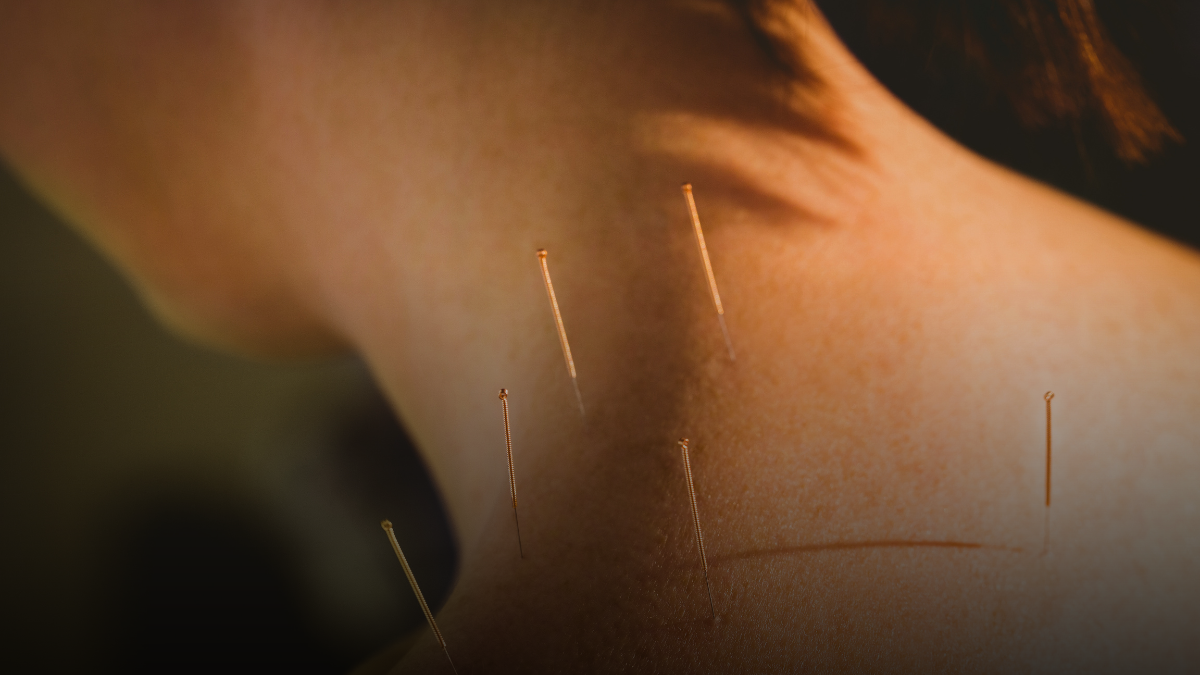
The honest answer is that acupuncture may help some people with mild-to-moderate depression, especially when it is used as part of a broader care plan.
That means we’re not talking about acupuncture as a magic fix. We’re also not talking about ignoring medication, therapy, your GP, or any other support you may need.
The research is encouraging here.
A newer review from 2025 looked at people with mild-to-moderate depression who were receiving antidepressant treatment. When acupuncture was added to their care, people tended to improve more than those receiving antidepressants alone. The review also found signs of earlier improvement and fewer medication-related side effects.
That doesn’t mean every person will respond in the same way. Depression is personal, so treatment has to be personal as well. But it does suggest that acupuncture can have a useful role beside other care.
There’s also older research from Guangdong Province Traditional Chinese Medicine Hospital pointing in the same direction. This study compared acupuncture and moxibustion with an antidepressant medication for mild-to-moderate depression. The results were similar between the acupuncture group and the medication group, and both did better than the sham treatment group.
The main thing to remember is that acupuncture works best when it is treated as part of care, not as a way to avoid care.
With mild-to-moderate depression, that can mean giving the body regular support while the mind is trying to recover. Sleep, energy, mood, stress, and emotional steadiness are often part of that picture. It’s also worth knowing that there are different types of acupuncture, and it can shape how the treatment is approached and what kind of support the practitioner is trying to offer.
What Should You Look For In An Acupuncture Practitioner?
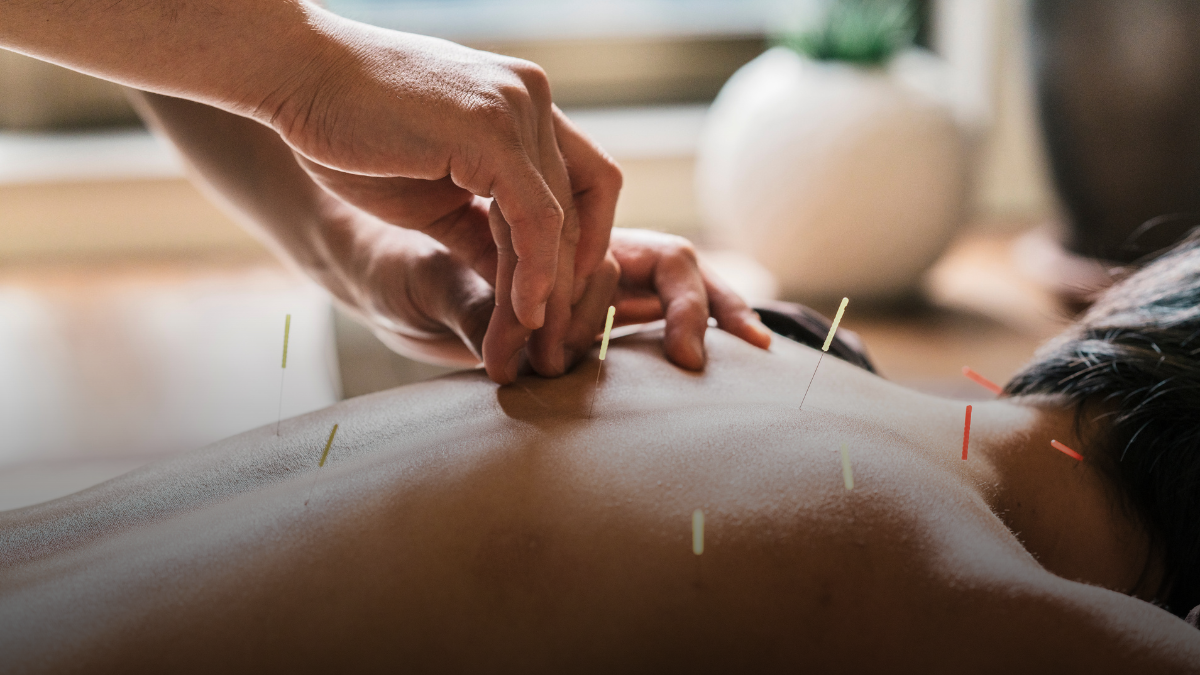
Choosing the right practitioner is part of choosing the right care. If you are looking at acupuncture for mild-to-moderate depression, I suggest you pay attention to three things.
1. How they take your history
The first conversation should not feel rushed.
Your practitioner should ask about your mood, sleep, energy, digestion, stress, medication, medical history, and support. They should also make it easier for you to speak honestly about what has been happening, without feeling judged or pushed.
That matters because depression often has details people don’t share unless they feel safe enough to say them.
2. How they work with the rest of your care
Acupuncture should not be used to pull you away from other support.
A good practitioner will respect your GP, therapist, psychiatrist, medication, and any other care you are receiving. If needed, they should be willing to communicate with other professionals so everyone is working in the same direction.
3. Whether they are properly trained and registered
You want someone who’s practising legally, safely, and in accordance with professional standards. Registration and professional accountability don’t guarantee that someone is the right fit for you, but they are an important starting point.
If you want a clearer place to start, I’ve created a directory to help you find certified Acupuncture Practitioners near you.
You Don’t Have To Endure This Alone
If you’re dealing with mild-to-moderate depression, please don’t treat it as something you have to endure alone. Your sleep, energy, motivation, mood, and sense of connection to life are all worth caring for now.
Acupuncture may be part of that care.
As I mentioned earlier, there are different types of acupuncture you can explore. Transformational Acupuncture is the approach I teach and practise for people dealing with depression, anxiety, trauma, and emotional suffering. If you would like to know whether this is the right kind of support for you, we can talk about it together.